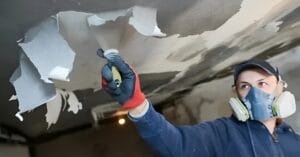
A leak never feels like a small problem. Even when the water stops dripping, the real trouble usually begins afterward. Quietly, slowly, and sometimes where you can’t see it. Homeowners often underestimate how fast a leak can create the perfect environment for mold. By the time the musty smell or dark spots appear. The damage has already started spreading behind walls, under flooring, or inside insulation.
Protect Your Home in Central Florida, USA, From Mold After a Water Leak
This is exactly why acting quickly matters. Because once secondary damage kicks in, you’re not just dealing with moisture anymore. You’re dealing with deterioration, air-quality issues, and long-term structural concerns.
So let’s break down what happens after a leak and how you can stop secondary damage. Before it becomes a much bigger problem.
Why Water Leaks Turn Into Mold Problems Fast
The humid climate in Central Florida, USA, speeds up damp growth dramatically. A damp surface can start developing spore colonies in as little as 24–48 hours. Even a minor leak behind a sink or inside a wall cavity becomes risky. If the area isn’t dried thoroughly.
That’s why experts always emphasize one thing. Dry out the leak area quickly to prevent mold. It’s not just a suggestion. It’s the entire difference between a simple cleanup and a days-long restoration project.
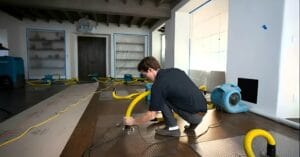
A proper water damage restoration service doesn’t stop at removing visible moisture. It locates hidden pockets of moisture. Tests humidity levels and makes sure everything is completely dry. Before the area is sealed back up. Without that thoroughness, mold finds its way into the one spot you didn’t think to check.
What Exactly Is Secondary Damage?
Secondary damage is everything that happens after the initial leak, but because of it, like mold growth, warping, swelling, discoloration, foul odors, and weakened structural materials. This type of damage often costs more than the actual fix for the original leak.
Some examples include:
- Mold on walls, drywall, cabinets, or baseboards
- Swollen flooring or buckled laminate
- Rusting HVAC or electrical components
- Stains and deterioration on ceilings or framing
This is where Mold remediation becomes essential. It doesn’t stay in the spot where it first appears. It spreads through the air. Settles on nearby surfaces and continues growing silently. Homes in Central Florida, USA, with naturally higher humidity, are even more prone to this.
When handled properly, microbial growth stops the spread. It cleans the area safely and restores your home’s air quality. But the sooner it’s addressed. The smaller the job usually is.
Why Speed Matters More Than Anything Else
Every hour counts. Even if it seems like the water leak only soaked one small section, moisture travels. It slips under tile, through carpet padding, inside drywall, and into wooden framing.
Many homeowners assume opening windows or running a fan is enough. Unfortunately, it rarely works, especially in Florida’s thick summer air. Moisture lingers in places fans can’t reach. That leftover dampness becomes the starting point for mold.
This is why contacting a professional Water damage restoration service early helps prevent the messy aftermath. Professionals use moisture meters, industrial drying systems, and thermal imaging to track it that the eye can’t see. That’s the step that truly prevents secondary damage.
Preventing Mold After a Leak: What Actually Works
Here’s how to protect your home the moment a leak happens:
Stop the water source immediately
This prevents new moisture from feeding the problem.
Remove standing water quickly
Wet shop vacs or extraction tools help. But professionals remove moisture far more thoroughly.
Ventilate but strategically
Ventilation helps, but not every area dries evenly without proper airflow management.
Inspect all surrounding areas
Mold often grows in places you’d never think to check.
Schedule professional help early
Teams trained in Water damage restoration services understand how fast moisture migrates, especially in Florida’s climate.
Preventing secondary damage from water isn’t just about removing the visible leakage. You need to:
Why Mold Problems Aren’t a DIY Job
There’s a reason homeowners are encouraged not to handle mildew themselves. Once it begins spreading. Wiping the surface only removes the visible layer, not the root system underneath. Incorrect cleaning can release more spores into the air.
A proper Mold remediation process isolates the affected area. It prevents cross-contamination, removes damaged materials safely, and restores clean, breathable air. When handled by trained professionals, the entire home ends up safer and healthier.
How Insurance Fits Into the Process
Professionals also help homeowners through the insurance process, especially under Insurance Restoration Services in Central Florida, USA. Water leaks caused by sudden events, like pipe bursts, are often covered, making it easier to file a water damage insurance claim. While long-term neglected leaks may not be, timely reporting ensures homeowners get the support they need.
The faster you document and respond to the leak. The stronger your insurance claim typically becomes. Since mold spreads quickly, delays can complicate coverage.
How Trusted Professionals Protect Your Home Long-Term
Once the leak is repaired and the affected area is dry. The final step is preventing the same situation from happening again. That’s where experienced teams providing Trusted General Construction support become valuable.
These professionals not only repair the water-damaged section, they ensure structural components are reinforced, materials are replaced correctly, and no hidden moisture is left behind.
Conclusion
A leak might look simple on the surface. But without fast action, it can turn into a problem that quietly spreads through your home. Secondary damage usually costs more. It takes longer to fix, and impacts more of your property than the initial leak ever did. By responding quickly, drying the area properly, and relying on experts for Water damage restoration service and Mold remediation, homeowners protect not just the structure of their home but also their indoor air quality and long-term peace of mind.
Contact a General Construction Contractor like Florida State Construction LLC for reliable, detailed restoration solutions backed by Insurance Restoration Services in Central Florida, USA, giving homeowners the confidence that moisture, damp growth, and structural concerns are handled correctly from day one.
Frequently Asked Questions
Q: How quickly does mold start to grow?
Ans: In a humid climate, it can begin developing in as little as 24–48 hours after moisture exposure.
Q: What steps prevent secondary damage from water?
Ans: Stop the source, dry the area quickly, and inspect hidden spots. Contact professionals for Water damage restoration service and Mold remediation.
Q: Is professional mold remediation necessary?
Ans: Yes. Professional teams remove it safely. It prevents spore spread and treats underlying moisture issues to stop recurrence.